

Introduction
GCSE Maths is not always about solving the hardest questions. In many cases, students lose marks on questions they actually know how to answer. These are often called “easy marks” — marks that could have been secured with better exam technique, attention to detail, and preparation.
Every year, thousands of students miss higher grades because of avoidable mistakes. The good news is that most of these problems can be fixed with the right strategies.
In this article, we will explore the biggest reasons students lose easy marks in GCSE Maths exams and practical ways to avoid them.
Common Reasons Students Lose Easy Marks in GCSE Maths
1. Not Reading the Question Properly

One of the most common mistakes in GCSE Maths exams is misunderstanding the question.
Students often rush into calculations without carefully reading what the examiner is asking. Sometimes the question asks for:
- A specific unit
- A value rounded to a certain decimal place
- An explanation
- The final answer in simplest form
Missing these details can cost marks even when the working is correct.
Example
A question may ask:
“Give your answer to 2 decimal places.”
If a student writes: 3.141592
instead of: 3.14
they may lose a mark.
3.141592≈3.14
How to Avoid This
- Underline keywords in the question
- Read the question twice before solving
- Check units and instructions before moving on
2. Forgetting to Show Working Out
In GCSE Maths, examiners award method marks. This means you can still gain marks even if the final answer is wrong.
Many students lose easy marks because they only write the final answer without showing steps.
Why Working Matters
If you make a small arithmetic mistake but your method is correct, you can still receive partial credit.
Example
When solving equations, write every stage clearly.
2x+5=17
Instead of jumping straight to:
x=6
Show:
2x=12
x=6
How to Avoid This
- Always write calculations step by step
- Never erase working unless it is completely wrong
- Use extra space if needed
3. Calculator Errors
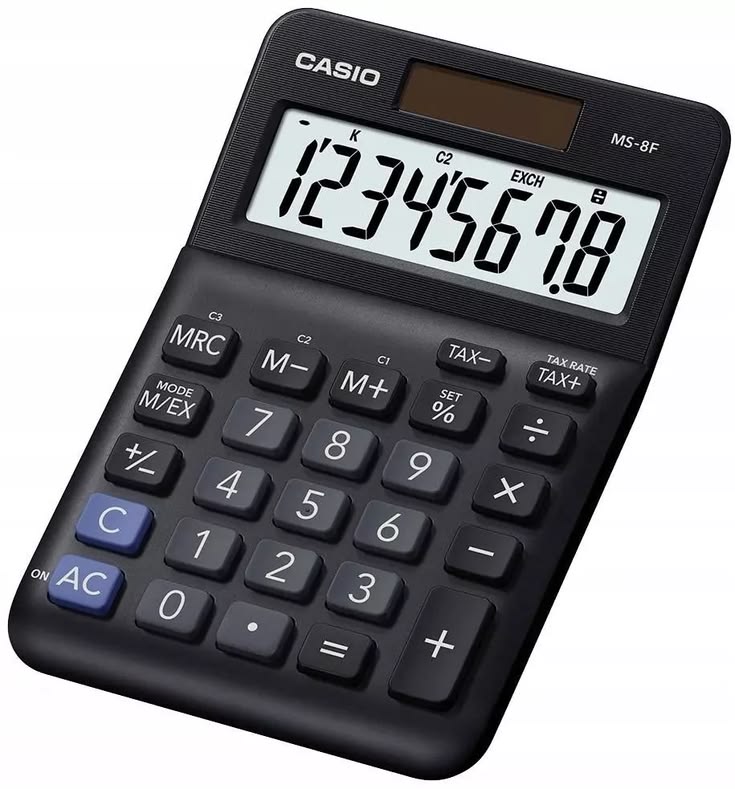
Students frequently lose marks due to incorrect calculator use.
Common calculator mistakes include:
- Typing numbers incorrectly
- Forgetting brackets
- Using degrees instead of radians
- Pressing the wrong function
Example
Without brackets:
8÷2(2+2)
can produce confusion depending on input order.
Using brackets correctly avoids mistakes.
2(2+2)8
How to Avoid This
- Practise using your calculator before the exam
- Double-check entries before pressing equals
- Use brackets whenever possible
4. Poor Time Management
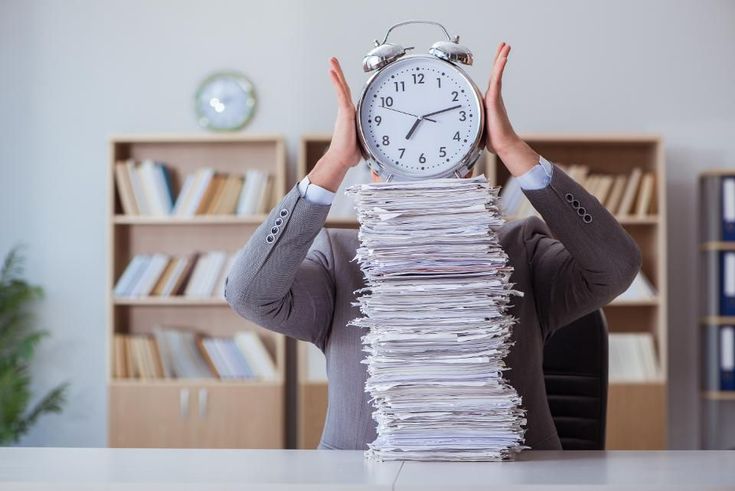
Some students spend too much time on difficult questions and rush through easier ones later.
This often leads to:
- Silly mistakes
- Incomplete answers
- Missed questions
Better Strategy
Easy questions should be completed carefully and quickly to secure guaranteed marks.
How to Avoid This
- Allocate time based on marks
- Skip difficult questions and return later
- Leave 5–10 minutes for checking answers
5. Careless Arithmetic Mistakes
Simple arithmetic errors can destroy otherwise correct solutions.
Examples include:
- Incorrect multiplication
- Sign errors
- Copying numbers wrongly
- Mistakes with negatives
Example
A student may correctly solve: 5x=20
but accidentally write: x=5
instead of: x=4
5x=20
How to Avoid This
- Recheck calculations
- Estimate answers to see if they make sense
- Slow down during simple calculations
Why Exam Technique Matters in GCSE Maths
Many students focus only on learning formulas and topics. However, exam technique is equally important.
Strong exam technique helps students:
- Understand questions properly
- Avoid careless mistakes
- Maximise method marks
- Stay calm under pressure
Even top students can lose grades because of poor exam habits.
Best Tips to Secure Easy Marks in GCSE Maths
1. Practise Past Papers Regularly
Past papers help students:
- Recognise question styles
- Improve speed
- Understand examiner expectations
Mark schemes are especially useful because they show how marks are awarded.
2. Learn Common Command Words
Words like:
- Calculate
- Estimate
- Prove
- Explain
- Simplify
all require different responses.
Understanding command words prevents unnecessary mistakes.
3. Check Answers Carefully
The final minutes of the exam are extremely important.
Students should check:
- Units
- Signs (+ or −)
- Decimal places
- Whether every question was attempted
4. Keep Working Neat
Messy work can cause confusion and increase mistakes.
Clear presentation helps both the student and examiner follow the method.
5. Stay Calm During the Exam
Panic often leads to avoidable errors.
If a question seems difficult:
- Move on temporarily
- Return later with a fresh mind
- Focus on securing easier marks first
The Difference Between Grade Boundaries
In GCSE Maths, just a few marks can change a student’s final grade.
Losing easy marks can mean:
- Missing a Grade 4 pass
- Falling short of a Grade 7 or 8
- Missing college entry requirements
This is why improving exam technique can have a huge impact on results.
Final Thoughts
Most students do not lose marks because GCSE Maths is impossible. They lose marks because of avoidable mistakes.
The good news is that these mistakes can be reduced with:
- Better practice
- Improved exam technique
- Careful checking
- Good time management
By focusing on securing easy marks first, students can significantly improve their GCSE Maths grades without learning advanced new topics.
Success in GCSE Maths is not only about intelligence — it is also about accuracy, discipline, and smart exam habits. Start learning click here